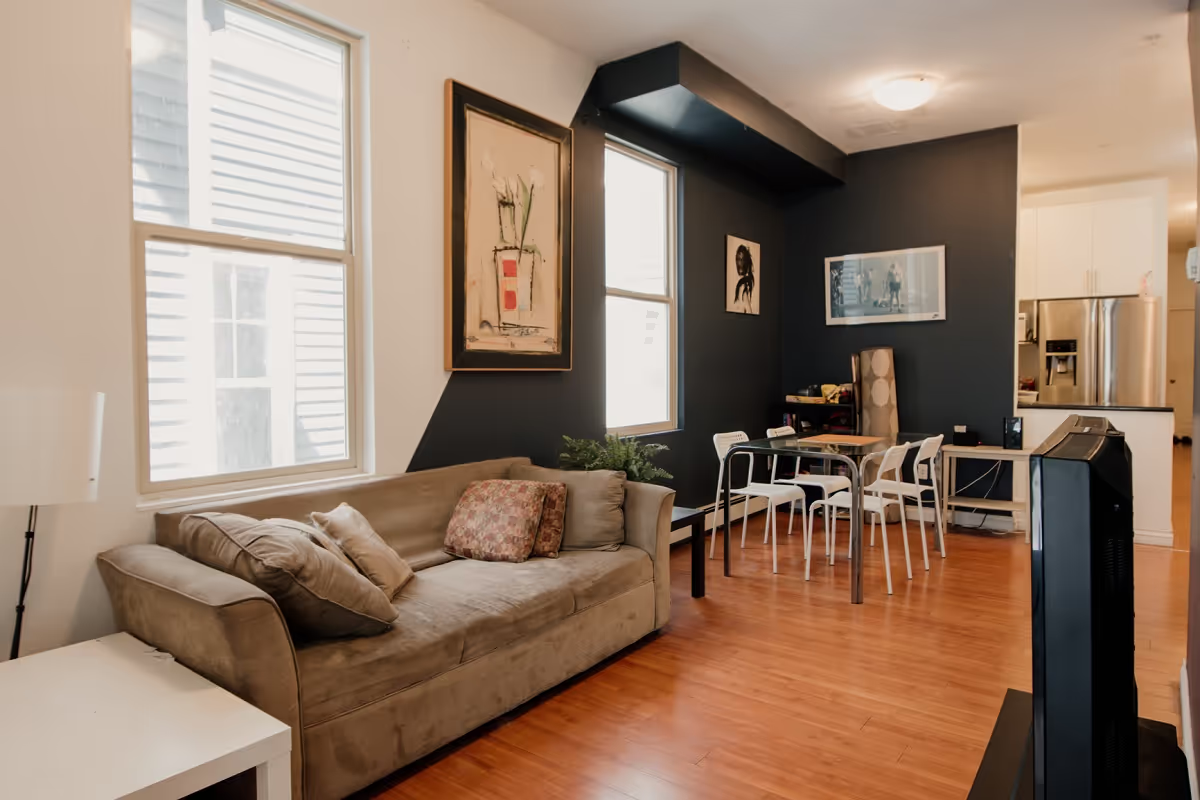

Student House


General Information
- Self-catering
- Shared bathroom
- Minimum duration is 4 weeks
- Minimum age is 17 years
Location
- 25 minutes by public transportation to CEL
Cleaning, Bedding, Towels and more
- Washer and dryer in the apartment (free for charge)
- Linen are provided
- Cleaning coordination of common areas provided every week (students need to clean themselves), deep clean provided before moving in
Check-in
- Check-out: Saturday before 11:00
- Refundable security deposit: $300 (credit card recommended)
- Check-in: from 15:00 on Saturdays
Ideal For You
- If you don‘t mind taking the bus to school
- Students aged 17+
- If you want to live independently
Real Stories
Our students remember their time at CEL for the friendships they built, the progress they made, and the moments that stayed with them long after.


I studied at CEL Vancouver for one year, and it was one of the most incredible experiences of my life. The teachers are excellent and truly care about your progress. I made friends from all over the world and improved my English far beyond what I expected.


Brazil
It's my first time studying at a language school, and it has everything I need. The teachers are patient and supportive, and I feel I'm making real progress every day.


Taiwan
Frequently Asked Questıons
Answers to common questions about studying English in San Diego, including courses, housing, visas, activities, and student support.
Accommodation & Student Life
- San Diego: CEL Shared Apartments (Standard, Premium, Superior) and homestays.
- Vancouver: Homestays, student houses, shared apartments, and private studios.
- Los Angeles: Homestays and shared apartments in Santa Monica.
Some residences are within walking distance (10–25 minutes) of the school, while others require a short public transportation ride. In general, residences tend to be closer, while homestays are usually further away. Both options provide great opportunities to practice English.
Yes. Students can request to live with friends or choose a roommate when booking shared accommodation. When students travel together, we can always place them in the same residence.
All CEL residences and shared apartments are self-catering and include a fully equipped kitchen. Homestays give students the choice of breakfast only or breakfast and dinner.
Yes. If you have concerns, our student services team will help you find a suitable alternative.
Yes. CEL schools run a weekly program of social, cultural, and sightseeing activities, plus weekend trips to nearby destinations.
Outside of class, students can join CEL’s weekly activities program. In addition, each city offers beaches, parks, shopping areas, and cultural attractions.
CEL has an English-only policy inside the school to maximize learning. In both homestays and residences, students have many opportunities to practice English. Joining our activities is also a great way to use English in real life while making new friends.

Let’s talk
about your plans
Send us a message and our team will help with course details, admissions, or anything else you’d like to know.

Student Life at CEL
Stories and advice from our students, written to give you a real feel for studying with CEL.

Vancouver independent living
Is this student house right for you?
Choosing a Vancouver student house requires a minimum commitment of 4 weeks and a minimum age of 17 years. This student house is ideal for independent learners studying at CEL (College of English Language) in British Columbia. Because the residence is self-catered with shared bathrooms, you handle your own grocery shopping, meal preparation, and personal schedule. Students taking general English classes often prefer this flexibility. You can cook a quick dinner after class or organize a shared meal with your international housemates. Yes. It requires more effort than a homestay. Planning a grocery budget is an excellent way to practice everyday vocabulary. Supermarket interactions force you to use English in authentic, unscripted moments. You learn local phrasing naturally. Living here gives you complete control over your free time while maintaining a structured environment for your academic progression.
Living in a student house with other international peers creates a stable, focused environment for your studies. The 4-week minimum stay means short-term turnover is minimal. This stability supports intensive academic goals, particularly for students preparing for higher education. Most residents are mature learners who balance their coursework with exploring the city. Sharing a bathroom and common spaces teaches valuable communication skills. You negotiate cleaning schedules and quiet hours in English. It is a practical application of the language skills you learn in the classroom. This daily practice helps you learn English in Canada much faster.
Managing the daily commute to class
Reaching the downtown campus from your student house takes roughly 25 minutes by public transportation. It mirrors the routine of local professionals. You will likely rely on TransLink, the regional transportation network in British Columbia. Monthly transit passes offer unlimited travel across the bus and SkyTrain network. Buying a compass card is usually your first task upon arrival. During that morning ride, many students listen to local podcasts or review their notes. It sets a productive tone for the day. If you want to maximize your time, you must embrace these small daily routines. The transit system connects you easily to neighborhoods beyond the downtown core. Weekend excursions become simple. You might travel to local markets or meet friends for coffee in different districts. Understanding the Vancouver transit map is a vital survival skill. It gives you true independence when navigating back to your student house.
Academic focus and communal living
A shared student house creates a deeply supportive environment. The minimum duration requirement keeps the community tight-knit. You form bonds with housemates who share similar goals. Many residents of the student house are focused on rigorous programs. When you return from taking English academic skills training, you need a quiet space to study. Housemates understand this need. They respect study hours because they also have homework. You might find a partner to practice speaking with before a big presentation. This peer support is invaluable. It helps you stay motivated during challenging weeks. Often, older students help newcomers adjust. They explain how to set up a local bank account or where to buy affordable winter gear. This shared knowledge base makes your first few weeks much easier. It accelerates your comfort level in the city.
Budgeting and self-catering confidence
Self-catering is a major draw for this student house. You decide what to eat and when to eat it. This freedom allows you to maintain your preferred diet. It also introduces you to Canadian grocery stores. You learn the names of local produce and cuts of meat. You might ask a store clerk for help finding a specific ingredient. These small interactions build confidence. They prove that you can handle daily life in a new country. Cooking together is a popular activity. Housemates often share dishes from their home countries. You explain your recipe in English while your roommate explains theirs. This informal practice is just as important as formal lessons. It builds fluency organically. Managing these expenses also helps you understand the true cost of studying English in the city. Budgeting forces you to read labels and compare prices.
Transitioning to independent life
Staying in a student house is an excellent stepping stone for long-term plans. Students aiming to enter a pathway program often choose this option. It simulates the independence you will need at a Canadian university. You learn to balance domestic chores with heavy study loads. It takes discipline. You must wash your clothes, clean your room, and finish your essays on time. This maturity is exactly what higher education demands. If you plan to transfer to a local college, living here first prepares you for the realities of a university student house. You build a strong foundation of life skills alongside your language development. You leave the program as a more capable, self-reliant adult.