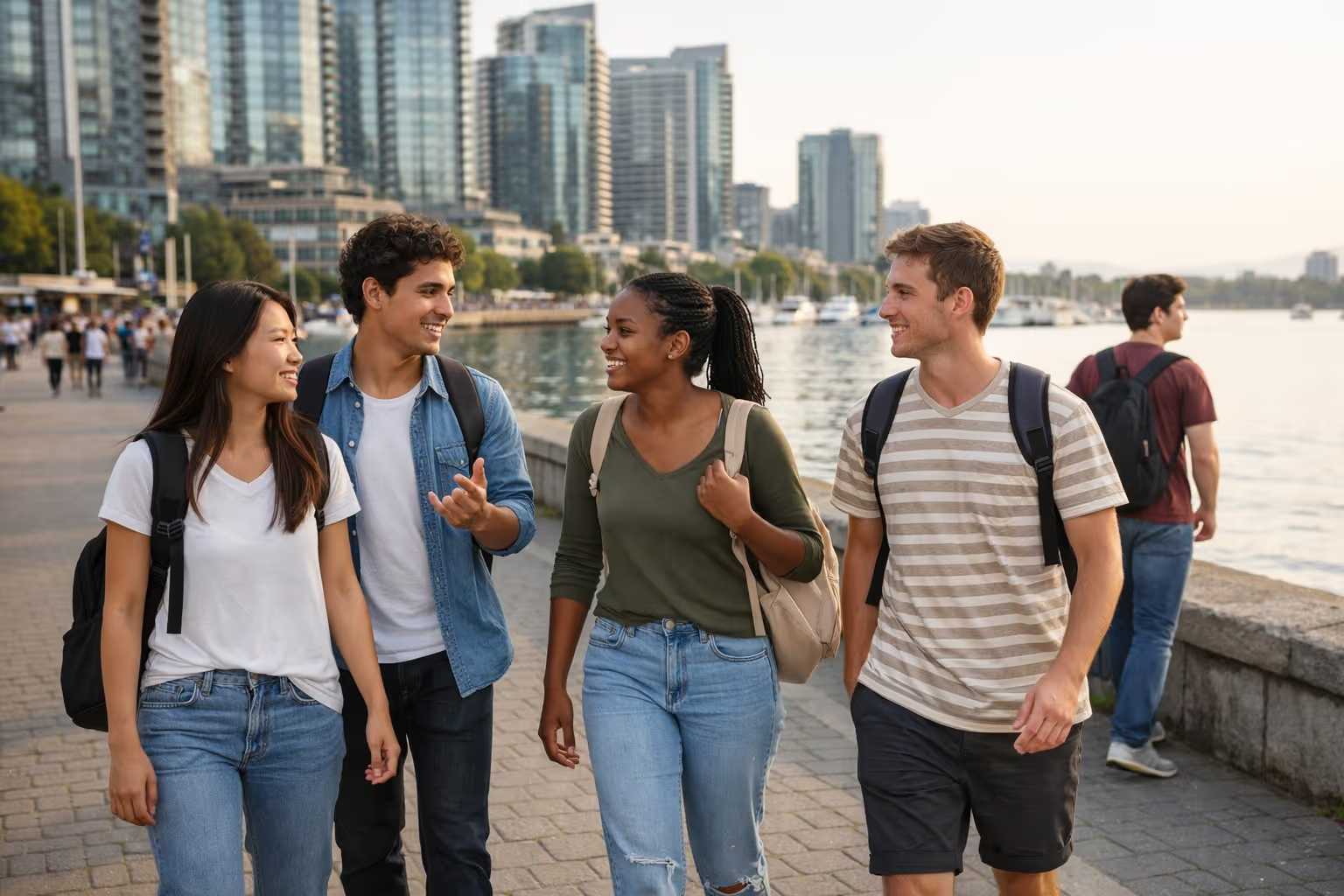
If you are planning an English course in Vancouver, what you do after class often matters more than the lessons themselves. Vancouver is one of the few cities where daily life and outdoor space are closely connected. You finish class — usually around early afternoon — step outside, and within minutes you are by the water, in a park, or walking along the seawall.
Most of these places are within 10–20 minutes from downtown and easy to reach without a car, which is one of the reasons students quickly build routines outside the classroom.
If you are still exploring the bigger picture of studying in Canada, the CEL Canada overview gives useful context. But Vancouver stands out for a specific reason: it makes it easy to build a routine where learning English continues naturally after class — without forcing it.
For students still comparing Vancouver and Toronto for an English course, this difference in daily lifestyle and access to outdoor space is often one of the deciding factors.
The most popular outdoor activities for students in Vancouver include:
- Walking or cycling along the seawall
- Spending time in Stanley Park
- Visiting beaches like Kitsilano or English Bay
- Kayaking or paddleboarding
- Exploring the North Shore with short hikes
Outdoor activities in Vancouver for students
Vancouver is one of the few cities where outdoor life integrates directly into daily student routines — not just weekends or special plans.
Many students assume Vancouver’s outdoor lifestyle is only relevant if you are very active.
In reality, most outdoor activities here fit directly into daily life.
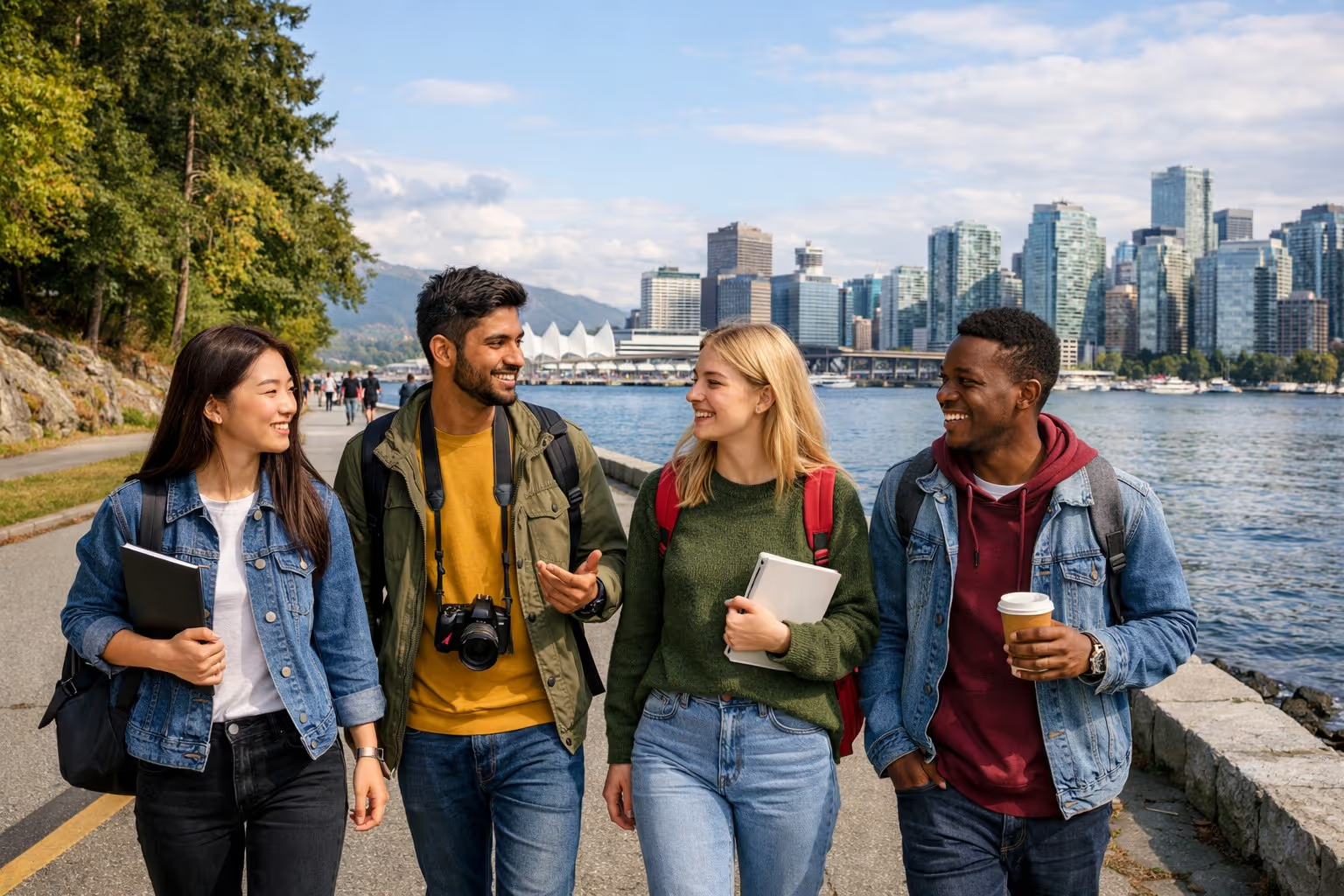
In our schools, students usually notice this within the first week: instead of going back to their room after class, they stay out. A short walk becomes an hour. A quick coffee turns into a longer conversation by the water.
Read also our blog to discover five things that surprise students about Vancouver.
Most students naturally fall into this rhythm within the first one to two weeks — across different nationalities and personality types, not just the most outgoing ones.
This is one of the reasons students choose to learn English in Vancouver rather than in more urban-only destinations.
A common pattern across our locations is that students improve faster when English moves out of structured lessons into everyday situations. This is also why course length matters more than many students initially expect. Our guide on what realistic English progress looks like over time explains how different study durations affect fluency, confidence, and overall language development in Vancouver.
Before choosing a program, it helps to see how English schools in Vancouver compare in terms of class size, structure, and learning atmosphere.
Things to do in Vancouver after English class
In many cities, outdoor activities feel like something you plan. In Vancouver, they become part of your daily routine — almost without noticing.
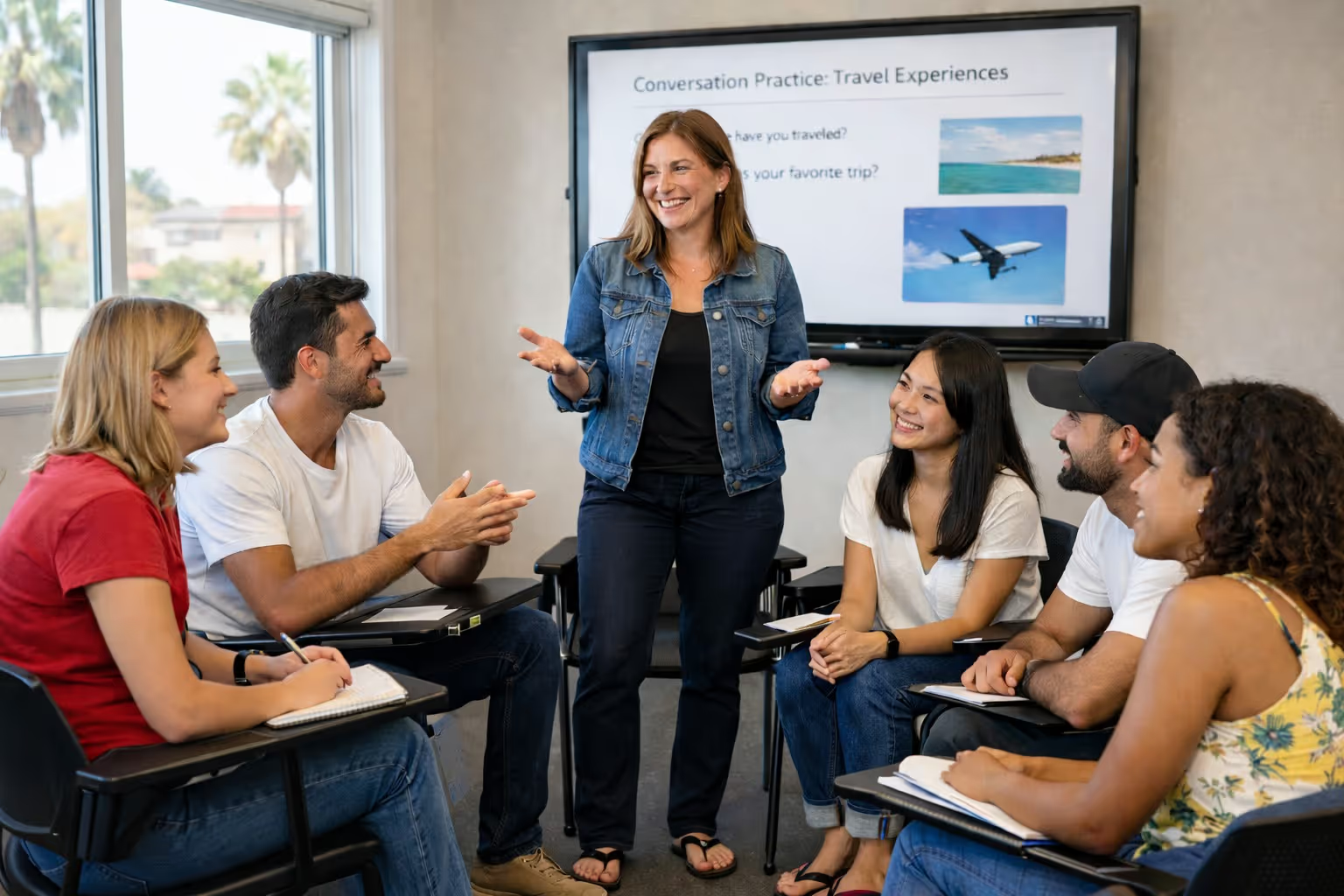
Because classes are small and highly interactive, students usually leave class already knowing who to spend time with. That makes after-class activities happen naturally — you don’t need to organize much.
1. Walk or cycle the seawall after class
Most outdoor activities in Vancouver fit naturally into the hours right after class — typically from around 2–3 pm onward — and the seawall is the clearest example.
It is simple, accessible, and easy to repeat.
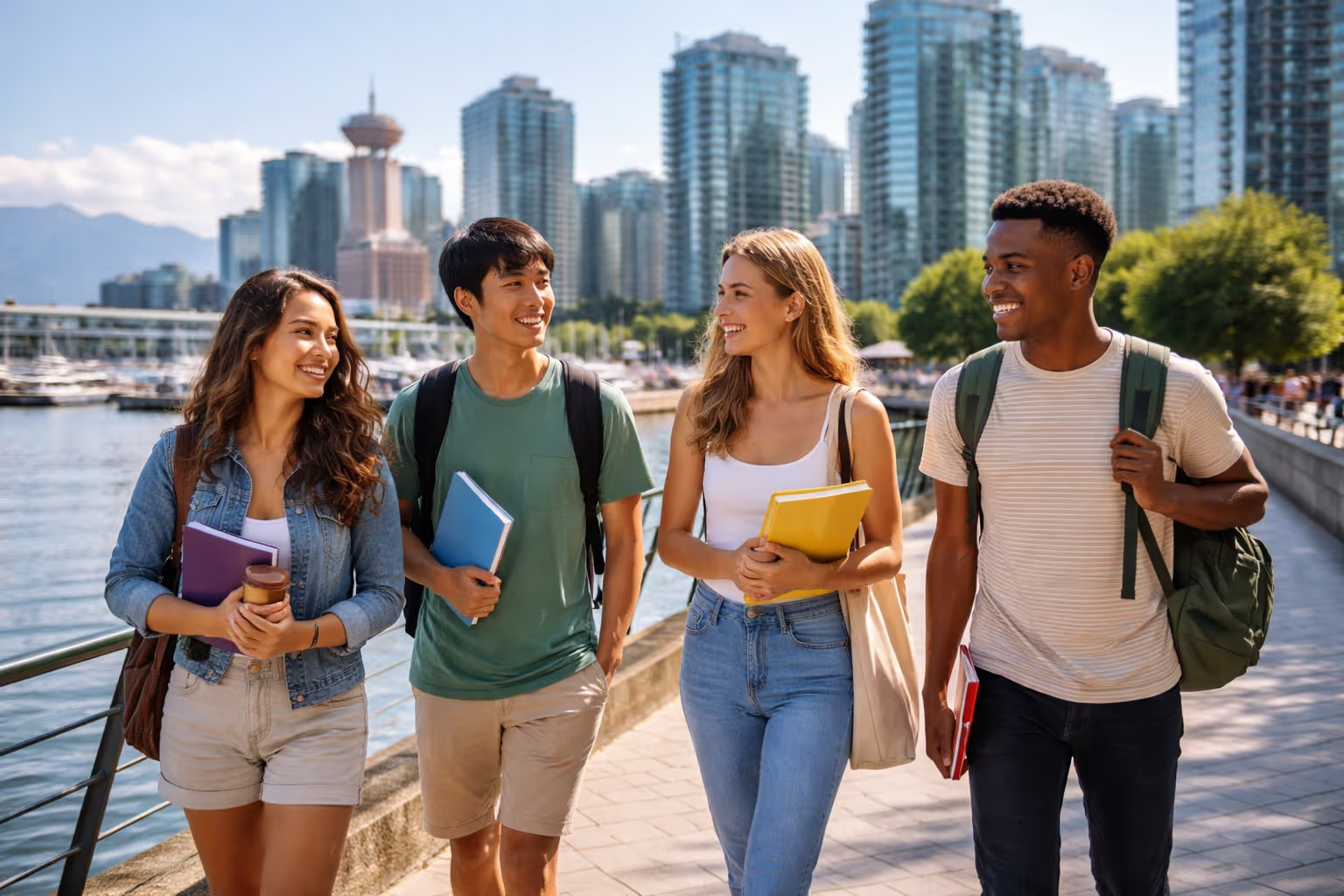
For students following a language course in Vancouver, this often becomes part of a weekly routine. You finish class, walk toward Coal Harbour, and continue along the seawall without needing a plan.
If you want to explore where most students are based, you can get a clearer picture of daily life around this English school in downtown Vancouver.
Most students start from Coal Harbour — it’s the easiest access from downtown and feels less crowded than the main park entrances. Walking counterclockwise toward Stanley Park usually gives you more open views, especially in the late afternoon or early evening.
From what we see every year, many students have their longest English conversations during these walks.
%25252520-%25252520.avif)
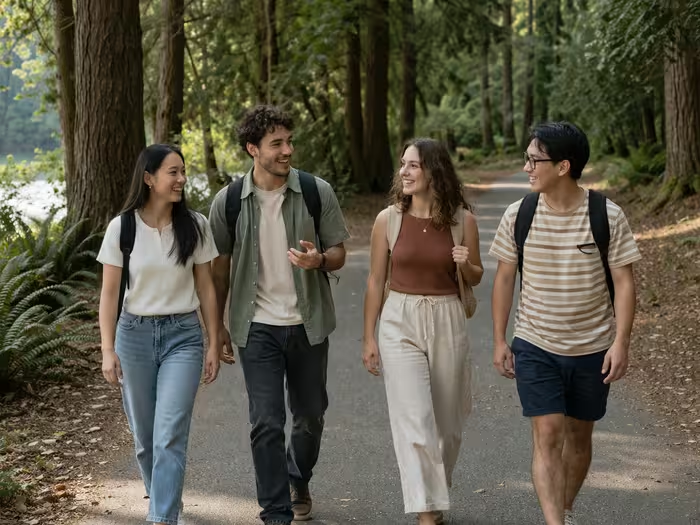
2. Spend time in Stanley Park without trying to “complete” it
Stanley Park is often treated like a must-see attraction. Many students try to “do it all” in one visit.
That approach usually misses the point.
A better way to use the park during your English school experience in Vancouver is to break it into smaller, repeatable visits.
Many students enter from the Coal Harbour side rather than the main entrance. It feels more like a natural continuation of the city.
Second Beach tends to be slightly more social and easier to access, while areas closer to Third Beach feel quieter. Most students try both and naturally settle into what fits their pace.
From what we see every year, students who enjoy Vancouver most are rarely the ones doing the most. They are the ones building simple routines.
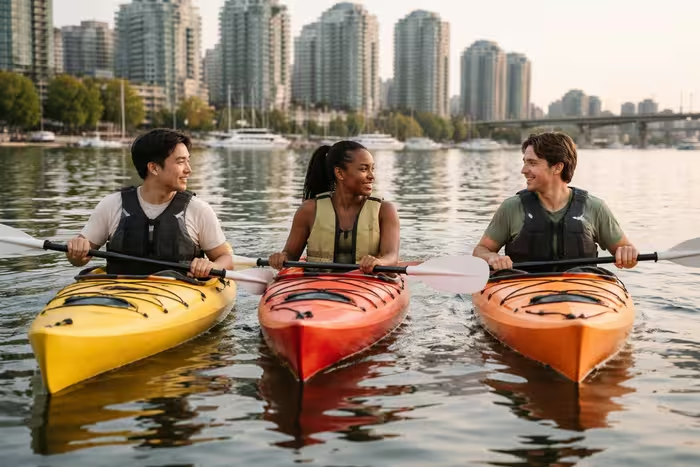
3. Go kayaking when you want a different perspective
Vancouver is unusual in how easily you can get on the water without leaving the city.
Most students start in False Creek because it’s calm and central. Deep Cove feels more scenic but usually comes later once students feel more comfortable organizing longer outings.
Especially in the first weeks of your study English in Vancouver experience, shared activities like this help friendships move beyond classroom-level conversations.
4. Choose North Shore hikes realistically
Hiking is one of the most talked-about outdoor activities in Vancouver.
The Grouse Grind is well-known — but also physically demanding.
In our experience, many students enjoy easier forest trails more because they can talk, take breaks, and actually enjoy the surroundings.
5. Use beaches and waterfronts for low-pressure social time
Places like English Bay or Kitsilano allow students to spend time together without planning.
Kitsilano tends to attract a slightly younger, more social crowd, while English Bay is easier to reach and more mixed.
For students taking English lessons in Vancouver, this becomes one of the most natural ways to practice.

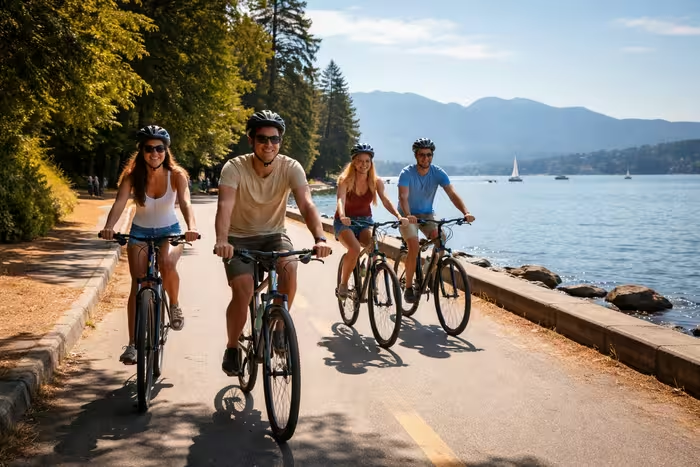
6. Use cycling to expand your daily range
Cycling often starts as a short ride — and then expands naturally.
After a couple of weeks, many students begin exploring more of the city without planning it.
This is often when students stop feeling like visitors and start feeling more integrated.
7. Keep your rhythm realistic
A more effective approach during your English course in Vancouver is balance.
One pattern we see every year: students start with ambitious plans, but gradually rely more on simple routines.
Those are usually the moments they remember most — and where their English improves most naturally.
A typical student moment
It’s a weekday afternoon. Classes have just finished.
A small group walks toward Coal Harbour. No plan.
They sit for a while, then continue along the seawall.
At some point, something changes.
It no longer feels like “speaking English.” It just feels like talking.
That shift is where real progress usually begins.

What students often realize later
Outdoor life in Vancouver is not just background.
It shapes the experience:
- structure
- social connection
- confidence
Across different students and backgrounds, this pattern repeats itself consistently.
Who this is (and is not) for
Vancouver is ideal if you:
- want a balance between studying and outdoor life
- prefer informal, social ways of practicing English
- enjoy routines rather than constant intensity
It may not be ideal if you:
- are looking for a purely nightlife-driven city
- prefer a fast-paced, urban-only environment
Conclusion
The best outdoor activities in Vancouver while studying English are the ones that fit into your daily routine.
If you are considering an English course in Vancouver, this is one of the city’s strongest advantages.
For many students, this is where the experience shifts — from studying English to living in English.
FAQ
What can students do after English classes in Vancouver?
Most students walk along the seawall, visit parks like Stanley Park, or spend time at the beach. These activities are easy to organize and create natural opportunities to speak English.
Is Vancouver a good city for students learning English?
Yes. Vancouver combines city life with easy access to outdoor spaces, making it easier to practice English outside the classroom.
Do you need to be sporty to enjoy outdoor activities in Vancouver?
No. Many activities like walking, cycling, or relaxing at the beach are accessible to all levels.
What are the best outdoor activities in Vancouver for students?
Walking the seawall, visiting Stanley Park, cycling, beach time, kayaking, and light hiking are among the most popular options.








.avif)